Tree Inspections in Norbiton
If you need tree inspections in Norbiton, you are likely looking for clear answers, practical advice, and a local team that understands how trees behave in busy residential streets, shared gardens, and commercial premises. Trees add character, shade, privacy, and ecological value to properties across Norbiton, but they also need regular attention to make sure they remain safe, healthy, and suitable for their surroundings. Whether you are a homeowner worried about a leaning trunk, a landlord managing responsibilities between tenancies, or a business looking after external grounds, a professional inspection can help you make informed decisions before small concerns become expensive problems.
Norbiton has a varied mix of property types, from terraced homes and purpose-built flats to older gardens, boundary trees, and greener pocket spaces close to the main roads. That variety means every tree situation is slightly different. Some trees may be growing close to houses, garages, fences, sheds, or parked vehicles. Others may overhang shared access routes, pavements, driveways, or neighbouring plots. A proper inspection is not just a quick glance from a distance; it is a structured assessment of the tree’s condition, the surrounding environment, and any factors that could affect safety or long-term stability.
Our local tree inspections are designed to help people in Norbiton understand what is happening with their trees and what actions, if any, are sensible next. That might mean reassurance that a tree is healthy and can be left alone, advice on pruning or crown reduction, or a recommendation for further investigation if there are signs of decay, root movement, structural weakness, or storm-related damage. The aim is simple: provide clear, practical guidance that helps you protect people, property, and the trees themselves.
Why tree inspections matter in Norbiton

Tree inspections are important for any area, but they are especially useful in a place like Norbiton where many trees grow in close proximity to homes, boundary lines, and busy residential streets. A tree that looks healthy from ground level can still have hidden issues, such as internal decay, weak branch attachments, dead wood, root disturbance, or signs of pest and disease activity. These issues are not always obvious to an untrained eye, yet they can affect the tree’s ability to remain stable and safe.
One of the biggest reasons local customers request inspections is peace of mind. If a tree is close to a building, over a garden, or beside a route used by family members, tenants, staff, or visitors, it is natural to want reassurance. A professional inspection can identify whether the tree is sound, whether routine maintenance would help, or whether urgent action is needed. That way, you are not left guessing after strong winds, heavy rain, or a visible change in the tree’s condition.
Inspections are also helpful when you are planning property work. If you intend to extend a home, alter a driveway, install a patio, manage a boundary dispute, or renovate external areas, knowing the status of nearby trees can save time and reduce risk. In many cases, a tree survey or detailed inspection can help you make sensible choices around root zones, canopy spread, and access requirements before any work begins.
Who benefits from a tree inspection service?
Tree inspections are relevant to a wide range of customers in Norbiton. Homeowners often request them when they notice a crack, a leaning stem, a patch of dead branches, fungal growth, or damage after bad weather. Landlords may want regular checks to support their duty of care, especially where trees sit near communal paths, parking spaces, or gardens shared by multiple occupants. Managing agents and property owners also benefit from routine inspections because they help reduce complaints, improve safety, and support maintenance planning.
Commercial customers can also make good use of this service. Schools, care settings, offices, hospitality premises, retail sites, and community buildings all need outdoor areas to be safe and well managed. Trees near foot traffic, loading bays, car parks, or building entrances may require periodic inspection so that any risks are identified early. Even if a tree is valuable to the setting, it still needs checking to ensure it remains an asset rather than a liability.
Inspections are equally useful for people who simply want to care for mature trees in a sensible way. If you value the trees on your property and want them to last, a qualified assessment can highlight the best approach to maintenance. That may include monitoring rather than major surgery, targeted pruning, or specialist follow-up if the tree shows signs of stress. Good tree care is often about making the right decision at the right time.
What a tree inspection typically includes

A professional inspection is usually carried out in stages so that the tree, its surroundings, and any visible concerns are considered together. The inspection is not only about the trunk itself. A tree’s condition can be influenced by the root area, soil, nearby structures, past pruning, and how it has reacted to weather and growth over time. A careful assessment gives a much clearer picture than a quick visual check.
During a typical inspection, the arborist may examine the trunk for cracks, cavities, bark damage, fungal bodies, and signs of decay. The canopy is checked for deadwood, heavy limbs, poor branch unions, uneven growth, and any evidence of disease or pest problems. The root area and ground level are also important, especially where soil has lifted, been compacted, or changed due to nearby works. If needed, the inspector may also consider whether the tree is affecting nearby structures such as walls, paving, fences, sheds, or underground services.
Another key part of the process is context. A tree in a large open garden is not the same as a tree growing beside a narrow access lane or overhanging a neighbour’s boundary. Norbiton properties often involve shared spaces, tight side returns, and mixed use of gardens and driveways, so the surrounding environment matters just as much as the tree itself. This wider view helps determine whether the issue is minor, needs monitoring, or requires a recommended course of action.
Common issues an inspection may identify
Tree inspections can reveal a wide range of concerns, including:
- Dead or dying branches that may fall unexpectedly
- Fungal growth indicating possible internal decay
- Cracks or splits in trunks or major limbs
- Root disturbance from construction, compaction, or excavation
- Leaning or movement that may suggest instability
- Storm damage affecting structure or canopy balance
- Pest and disease symptoms that could weaken the tree over time
- Conflicts with buildings, fences, cables, or access points
Not every visible defect means a tree is unsafe. Trees are living structures, and some imperfections are normal. The purpose of an inspection is to separate harmless features from those that may require maintenance or closer monitoring. That balanced approach is especially useful for customers who want to avoid unnecessary work while still taking reasonable precautions.
If a tree does need attention, the inspector can usually explain why and suggest the most appropriate next step. In some cases that might mean pruning. In others, it may mean periodic reassessment, soil improvements, or further investigation by a specialist. Clear advice matters because it helps you act with confidence rather than relying on assumptions.
How tree inspections in Norbiton work
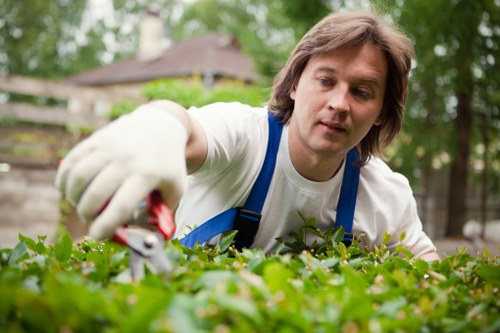
When customers arrange tree inspections in Norbiton, they usually want a straightforward process that respects their time and property. A local service should make the experience easy to understand from the outset. After you make an enquiry, the next step is usually to discuss the concern, the tree location, and any immediate issues such as storm damage, overhanging branches, or visible decay. This helps the arborist arrive prepared for the site conditions and the type of inspection needed.
On arrival, the inspector will typically walk the area, assess the tree from different angles, and look at its relationship with nearby features. The inspection may be purely visual, or it may involve more detailed observations depending on the concern. For example, if there is a suspected structural issue, the assessment may focus on signs of weakness, loading, and movement. If a tree is affecting a boundary or building, the tree’s position and growth pattern become more important.
After the inspection, you should receive clear feedback about what was found and what it means in practical terms. That can include whether the tree appears sound, whether maintenance is advisable, and whether further action should be considered. A good service does not overwhelm you with jargon. Instead, it explains the issue in plain language so you can decide how to proceed. That clarity is valuable for busy homeowners and commercial property managers alike.
Signs that your tree may need an inspection soon
Some tree problems are obvious, while others are subtle. If you notice any change in the condition of a tree, it is worth having it checked sooner rather than later. Early attention often makes it easier to manage the issue and can reduce the chance of avoidable damage or disruption.
Look out for these warning signs:
- Branches dying back more than usual or showing bare sections in the canopy.
- Large fungi, bracket growth, or soft areas on the trunk or roots.
- Cracks, splits, or movement in major limbs or the main stem.
- Fresh lifting around the base of the tree or sudden leaning.
- Leaves that are smaller, sparse, discoloured, or dropping early.
- Evidence of branches rubbing, snapping, or failing after wind.
- Roots disrupting paving, walls, drains, or nearby surfaces.
It is also sensible to arrange an inspection after severe weather, especially if there has been strong wind or prolonged rain. Even where no obvious damage is visible, these events can stress trees and reveal hidden weakness. If a tree stands near a pathway, parking area, play space, or shared access point, a prompt inspection can help you decide whether immediate precautions are needed.
Local relevance: why a Norbiton-based service helps

Choosing a local team for tree inspections in Norbiton brings practical benefits. Local knowledge matters when assessing tree health because the surroundings shape the work. A team familiar with Norbiton is more likely to understand common access constraints, where parking can be limited, how narrow frontages affect site checks, and which properties may have mature boundary planting or older garden layouts. Those details may sound small, but they affect the quality and convenience of the service.
Local experience also helps when dealing with different types of trees and settings across the area. Some properties may have established gardens with mature ornamental trees, while others may have newer planting in smaller spaces. There may be trees close to brickwork, rooflines, communal entrances, sheds, or paved paths. In each case, a local arborist can assess the tree with a better sense of the environment and the likely practical constraints on maintenance.
For residents and businesses in Norbiton, it is helpful to have a service that understands the everyday realities of working in and around the area. That means planning for access, being mindful of neighbours, and carrying out the inspection efficiently. A local tree inspection service is often more responsive, more practical, and easier to coordinate around your property’s needs.
Typical property types and tree settings in the area
Tree inspections in Norbiton are often requested for:
- Front gardens and rear gardens with mature trees
- Terraced properties with limited side access
- Flats, maisonettes, and shared communal outdoor spaces
- Commercial forecourts, car parks, and landscaped business grounds
- Boundary trees close to fences, walls, or neighbouring plots
- Trees near driveways, pathways, and access lanes
- Older trees that have been in place for many years
Each of these settings brings different considerations. For example, a tree in a shared garden may need checks for overhanging branches and falling debris, while a tree near a driveway may need attention because of root-related surface movement or low branches affecting clearance. Good inspections take those practical details into account, which helps you make a better maintenance plan.
If your property has mixed planting or several trees close together, the inspection may also consider how the trees interact. Crowded canopies, competition for light, and overlapping roots can all influence growth and stability. Understanding those relationships can help you decide whether selective pruning, monitoring, or broader management would be most useful.
What to expect from a professional report or recommendation
Many customers want more than a quick opinion; they want something clear enough to act on. A professional tree inspection usually results in a practical summary of findings and recommendations. The wording should be easy to understand and focused on what matters most: the condition of the tree, any risk factors, and the next steps that may be appropriate.
Depending on the situation, the recommendation may be simple. For example, the tree could be considered suitable for retention with normal care, or it may only need periodic monitoring. In other cases, a pruning recommendation may be suggested to reduce weight, improve clearance, or remove deadwood. If the tree shows more serious concerns, the advice may point towards further specialist assessment or urgent action.
For commercial sites and managed properties, this kind of clear documentation can be especially helpful when planning maintenance or responding to safety concerns. It can also support communication between property managers, residents, contractors, and other stakeholders. Good recommendations are not about causing alarm; they are about helping you take the right level of action.
Pricing factors for tree inspections
Customers often ask what affects the cost of a tree inspection. While exact pricing depends on the site and the scope of work, there are several common factors that influence the amount of time and expertise required. Understanding these factors can help you compare services and decide what level of inspection you need.
Typical pricing factors include:
- Number of trees that need to be inspected
- Tree size and complexity, including height and spread
- Site access, especially where parking or entry is limited
- Level of detail required, from a visual check to a more formal assessment
- Urgency, such as following storm damage or an immediate concern
- Whether the site is residential or commercial
- Any follow-up documentation needed for planning or management purposes
A transparent service will explain what is included before the inspection begins, so you know what you are paying for and what kind of outcome to expect. It is usually better to choose the right inspection level for the concern rather than paying for more than you need or settling for less detail than the situation calls for.
If you are not sure what type of inspection is appropriate, a local arborist can help you decide based on the tree’s location, condition, and the reason for the enquiry. That first conversation often saves time and avoids unnecessary work.
Preparation checklist before your inspection
Getting ready for a tree inspection does not usually require much effort, but a few simple steps can make the visit smoother and more useful. Preparing the site helps the arborist assess the tree efficiently and reduces delays caused by access issues or missing information.
- Make a note of the main concern, such as movement, dead branches, or recent storm damage.
- Clear access to the tree if possible, especially around gates, side passages, and garden paths.
- Remove vehicles or movable objects that may block the viewing area.
- Check whether neighbours need to be informed if the tree sits on or near a boundary.
- Gather any relevant background, such as past pruning, recent building work, or previous tree issues.
- Ensure someone is available to explain the concern on arrival if needed.
In Norbiton, access can sometimes be straightforward in front gardens but more complicated at the rear of a property, especially where side access is narrow or shared. If parking is limited, it helps to plan ahead so the inspection can begin without unnecessary delay. These small preparations can make a noticeable difference, particularly on busy streets or at properties with limited outside space.
It is also useful to keep an eye on weather conditions before the visit. Wet ground, strong wind, or heavy rain can affect how a tree is assessed and how safely the site can be accessed. A sensible local service will always take conditions into account when arranging an inspection.
Why inspections are better than waiting for a problem to become obvious
Tree issues often develop gradually. A tree may appear fine for a long time and then show a sudden change after wind, drought, construction, or seasonal stress. By the time damage becomes obvious, the problem may already be more difficult or expensive to manage. Regular inspections can catch warning signs earlier, when there are more options available.
This matters because trees can fail in different ways. Some problems begin with small decay pockets or branch defects, while others start below ground with root disturbance or changes to the soil environment. In a built-up area like Norbiton, nearby work and changing conditions can influence a tree more than people expect. That is why a preventative approach is often the smartest one.
Waiting for visible collapse is not a practical strategy. A measured inspection can help you avoid unnecessary worry, reduce the likelihood of emergency callouts, and protect the value of the tree where it is safe to retain it. Regular attention is often the difference between simple maintenance and avoidable disruption.
Areas covered around Norbiton
Local tree inspections are often requested across Norbiton and nearby parts of Kingston upon Thames. Customers may be based close to residential streets, main routes, shared estates, business premises, or areas with mature trees and established gardens. A local service can typically assist with properties in nearby neighbourhoods and surrounding communities where similar tree care issues arise.
Areas commonly served may include nearby parts of Kingston, Kingston Vale, New Malden, Surbiton, Coombe, and other local locations in the surrounding district. If you are not sure whether your property is within range, it is usually worth making an enquiry and describing the site. A local team can then confirm whether they can help and what type of inspection would be appropriate.
The key advantage of using a nearby service is flexibility. When trees need checking after weather damage or when access is limited to certain times of day, a local provider is often better placed to schedule the work around your needs. That convenience is valuable whether you manage one tree or several.
FAQs about tree inspections in Norbiton
How often should a tree be inspected?
The right frequency depends on the tree’s age, location, condition, and the level of risk around it. A mature tree near a building, footpath, or driveway may need more regular checks than a younger tree in a spacious garden. If you are unsure, a local arborist can suggest a sensible inspection interval based on the site.
Do I need an inspection after a storm?
If a tree has been hit by strong winds, heavy rain, or falling debris, an inspection is sensible, especially if you notice movement, broken limbs, or new cracks. Even if the damage looks minor, a professional check can determine whether the tree is still stable or whether follow-up work is needed.
Can a tree inspection tell me if pruning is required?
Yes. One of the main benefits of an inspection is understanding whether pruning would improve safety, shape, or clearance. The recommendation may be for deadwood removal, crown thinning, reduction, or simply monitoring. The best option depends on the tree’s condition and the situation around it.
Will the inspection damage my garden?
Most inspections are visual and involve minimal disturbance. The arborist should aim to assess the tree respectfully and with care for your property. If access is tight or the ground is soft, the inspector will usually work in a way that avoids unnecessary disruption.
What if the tree is on a boundary?
Boundary trees often require extra care because ownership, access, and responsibility can be shared or unclear. An inspection can still be useful because it identifies the tree’s condition and any immediate concerns. If action is needed, it is usually best to consider the wider boundary context before proceeding.
Do commercial sites need regular inspections?
They often do, especially where staff, visitors, customers, or residents move through outdoor spaces. Regular inspections can support safer site management and help plan maintenance without interrupting operations more than necessary.
What makes a local tree inspection service a good choice?
When choosing someone to inspect your trees, you want more than a quick opinion. You want attention to detail, practical communication, and local understanding. A good service should be able to explain findings clearly, identify what matters most, and avoid unnecessary alarm. That approach is particularly important where customers may be worried about cost, safety, or the impact of work on a valued tree.
Local knowledge matters because it improves the quality of the assessment and the ease of the visit. A team that knows Norbiton is better equipped to handle parking restrictions, narrow access points, shared spaces, and the kinds of trees commonly found in the area. It also helps when the inspection needs to be coordinated around neighbours, tenants, or business operations.
Choose a service that values both tree safety and tree preservation. The best inspections do not rush to removal; they help you understand whether the tree can be retained safely with maintenance, monitoring, or further testing. That balanced approach is often the most cost-effective and environmentally responsible route.
Book tree inspections in Norbiton with confidence
If you are concerned about a tree, planning property work, or simply want a professional opinion, arranging an inspection is a sensible next step. Tree inspections in Norbiton can help you understand the condition of a single tree or a wider collection of trees around a home, garden, or business property. They provide practical information that supports better decisions and safer outdoor spaces.
Whether you are dealing with an obvious issue or a subtle change, it is better to ask for advice early than to wait and hope the problem resolves itself. A local inspection can give you the clarity you need, without unnecessary disruption or guesswork. That is especially valuable when the tree sits close to buildings, paths, or shared areas.
Contact us today to discuss your tree concern, request a free quote, or book your service now. If you need a reliable local assessment in Norbiton, we are ready to help you take the next step with confidence.
Helpful next steps
Before you enquire
Think about the tree’s location, what has changed, and whether there has been recent weather damage or nearby construction. The more detail you can provide, the easier it is to recommend the right inspection approach.
For homeowners, landlords, and commercial property managers alike, a careful tree inspection can save time, reduce worry, and support sensible long-term tree care.